
 Meet Dr. Michelle Nagy
 Meet Dr. Attila Nagy
Nightguards
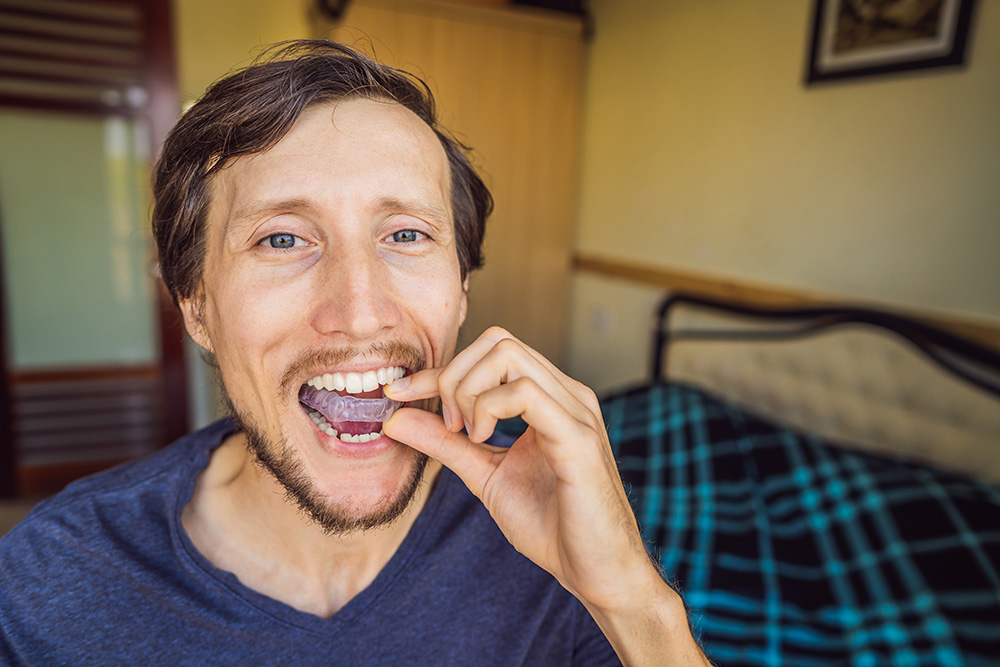
When you imagine all the ways you can protect your teeth from harm, you most likely think about avoiding sugary foods, not chewing on ice, and wearing an athletic mouthguard. In other words, you probably think about the damage that can occur when you’re awake. If, however, you have a condition called sleep bruxism, then you might be doing a lot of damage to your teeth while you sleep.
At Oakwood Dental in Bucyrus, Ohio, we help patients identify hidden dental concerns like sleep bruxism and provide simple, effective solutions to protect long-term oral health. Dr. Attila Nagy and Dr. Michelle Nagy work closely with patients to create personalized care plans that address both symptoms and underlying causes.
How Sleep Bruxism Affects Oral Health Over Time
Sleep bruxism is more than just grinding your teeth at night. Over time, repeated bruxism episodes can lead to serious dental issues. Constant pressure on the teeth can wear down enamel, increase tooth sensitivity, and even cause cracks or fractures.
In more advanced cases, severe bruxism may lead to damage that requires restorative dental treatments such as crowns or even a root canal. It can also affect the temporomandibular joint, leading to jaw pain, muscle tension, and difficulty chewing.
Because these effects develop gradually, early diagnosis of sleep bruxism is important for protecting both dental health and comfort.
What Is Sleep Bruxism?
Sleep bruxism is a condition where individuals frequently grind their teeth or clench their jaws while they sleep.
People who suffer from sleep bruxism put an excessive amount of wear and tear on their teeth while they sleep, and they also often suffer from painful musculoskeletal problems.
How To Know If You Have Sleep Bruxism (Signs and Symptoms)
Sometimes, it can be difficult to tell if you have sleep bruxism because the teeth grinding and jaw clenching happen when you are not conscious.
There are, however, some telltale signs and symptoms of sleep bruxism that indicate your teeth and jaws might be doing more work than you realize. These include:
- Teeth sensitivity
- Receding gums
- Jaw pain or stiffness
- Neck, face, teeth, or ear pain
- Frequent headaches or migraines
- Depressions in your cheeks or tongue
- Enamel that’s worn in certain patterns
- Cracked or chipped teeth
If you experience any of these symptoms of bruxism, we recommend scheduling a dental checkup to evaluate your condition and discuss treatment options.
What Causes Sleep Bruxism?
The exact cause of sleep bruxism is not known. However, several factors can increase the likelihood of developing this condition.
Risk factors for sleep bruxism include:
- Daytime stress and anxiety
- Genetics
- Temporomandibular joint disorder
- Malocclusion or misaligned jaw
- Sleep apnea
- Alcohol consumption
Some patients with obstructive sleep apnea or other sleep disorders may experience increased muscle activity during sleep, which can contribute to nocturnal bruxism.
Because the etiology of bruxism can vary, treatment often focuses on managing contributing factors such as stress management, improving sleep hygiene, and addressing underlying medical conditions.
The Role Of Jaw Muscles And Muscle Activity
Sleep bruxism is closely linked to increased jaw muscle activity during sleep. The jaw muscles contract repeatedly, leading to clenching of teeth and grinding patterns that can damage both upper and lower teeth.
Over time, this repeated muscle tension can lead to muscle pain, stiffness, and fatigue. Some patients also notice changes in their bite or discomfort in the temporomandibular joint.
Managing this muscle activity is an important part of the treatment of bruxism and often includes protective devices like a night guard along with lifestyle changes.
Benefits Of Wearing A Night Guard
A custom night guard, also called an occlusal splint, is one of the most common and effective treatment options for sleep bruxism.
Benefits include:
- Protects teeth from tooth wear and damage
- Reduces pressure on jaw muscles
- Helps decrease jaw pain and muscle tension
- Supports better sleep by reducing discomfort
- Prevents damage to dental restorations
For many bruxism patients, wearing a night guard is a simple way to protect their smile without invasive procedures.
Protecting Your Teeth With a Custom-Made Nightguard
Although it is not always possible to stop sleep bruxism completely, you can protect your teeth from the damage that frequent grinding and clenching can do by wearing a nightguard.
A nightguard is a plastic guard worn over your teeth that can be designed to protect them from grinding while also helping to prevent clenching. Our dentist can help you determine whether you need a nightguard for just grinding or grinding and clenching based on the wear patterns of your teeth.
What To Expect When Getting a Nightguard
Nightguards are custom-designed for each patient to fit perfectly and comfortably and do not disturb sleep. The process begins with an evaluation of the patient’s teeth, jaw, jaw alignment, and bite to determine the type of nightguard needed.
We then take a digital scan of the patient’s mouth to create a three-dimensional oral impression (without the need for sticky molding trays). This impression is then used to design a custom nightguard manufactured specifically to each patient’s unique specifications.
Additional Treatment Options For Sleep Bruxism
While a night guard is often the first step, other treatment options may be recommended depending on the severity of the condition.
These may include:
- Relaxation techniques to reduce stress before sleep
- Jaw exercises to improve muscle function
- Cognitive behavioral therapy for stress-related bruxism
- Muscle relaxants in certain cases
- Botulinum toxin injections for severe cases
These approaches are typically used as part of a broader treatment plan, especially for patients with chronic bruxism or severe tooth wear.
The Importance Of Sleep Hygiene
Improving sleep hygiene can play a key role in the management of sleep bruxism. Simple changes can help reduce bruxism episodes and improve overall sleep quality.
Helpful strategies include:
- Creating a consistent sleep schedule
- Reducing screen time before bed
- Practicing relaxation techniques
- Avoiding caffeine or alcohol before sleep
- Drinking water throughout the day
Better sleep habits can support both oral health and overall well-being.
Frequently Asked Questions
Sleep Bruxism Treatment in Bucyrus, Ohio
To learn more about sleep bruxism, the conditions that cause it, and whether you should be protecting your teeth with a nightguard, we welcome you to contact Oakwood Dental in Bucyrus today.
Schedule Your Nightguard Consultation Today
If you are experiencing jaw pain, tooth sensitivity, or signs of sleep bruxism, our team is here to help. At Oakwood Dental in Bucyrus, Ohio, we focus on protecting your smile with personalized, comfortable solutions designed for long-term dental health.
Dr. Attila Nagy and Dr. Michelle Nagy work closely with patients to create customized treatment plans that address both symptoms and underlying causes.
Call 419-562-4378 today to schedule an appointment and find out if a custom night guard is right for you.