
 Meet Dr. Michelle Nagy
 Meet Dr. Attila Nagy
Dental Fillings
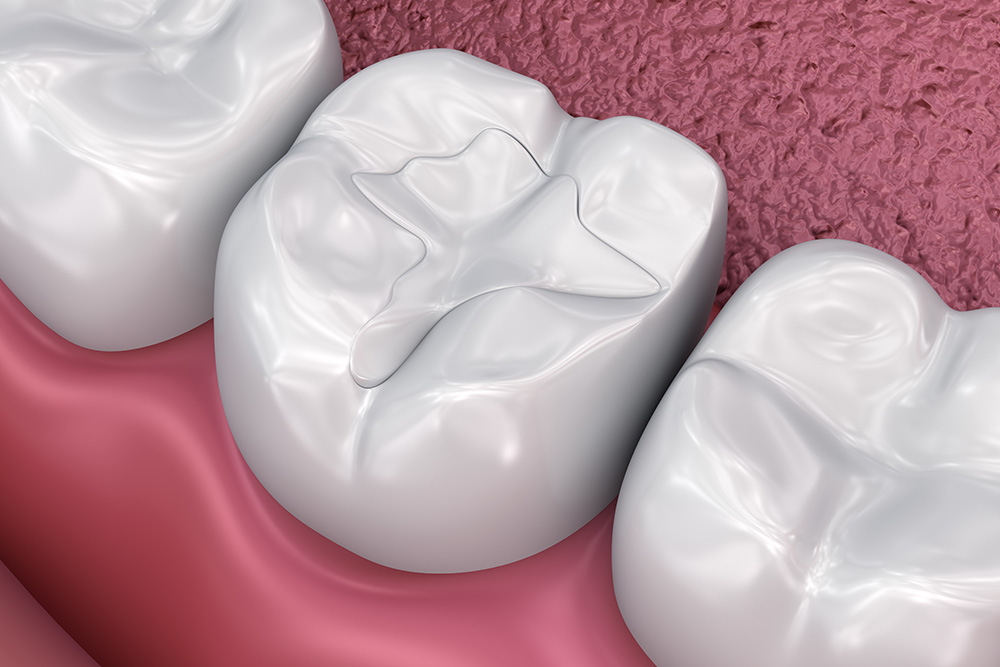
Tooth pain, sensitivity, or a small dark spot on a tooth can be early signs of tooth decay. These problems are common, even for people who brush and floss every day. When decay is caught early, a dental filling can help restore the tooth and protect it from further damage.
At Oakwood Dental in Bucyrus, Ohio, our team focuses on simple, patient-friendly dental care that supports long-term oral health. With guidance from professionals like Dr. Attila Nagy and Dr. Michelle Nagy, we help patients understand their treatment options and feel confident about their care.
How Tooth Decay Affects Your Oral Health in Bucyrus, Ohio
One of the reasons you brush, floss, and visit the dentist for dental cleanings is to prevent tooth decay and cavities. Unfortunately, these dental problems are fairly common and sometimes occur even when you have been taking perfectly good care of your teeth. Tooth decay develops slowly over time. It begins when plaque builds up on teeth and produces acid. This acid wears down tooth enamel, which is the strong outer layer of the tooth. Once enamel weakens, a cavity can form.
Without treatment, decay can move deeper into the tooth structure. This may lead to more complex procedures like crowns or even a root canal. Early treatment with a dental filling is often the simplest way to stop decay and protect the tooth.
What Is Tooth Decay?
The hard outer surface of your teeth is composed of a tissue called tooth enamel, primarily made up of minerals like calcium, fluoride, and phosphorus. Tooth enamel is exposed to acid in acidic foods and drinks that you consume. The bacteria living in your mouth also produce acid as a waste product when they feed on sugars in your diet.
This acidic environment breaks down tooth enamel, leading to tooth decay. Left untreated, tooth decay eventually worsens, forming one or more dental cavities (also called dental caries) which are small holes in the enamel.
What Is a Dental Filling?
A dental filling is the most common treatment for a cavity. A dental filling is a substance used to fill in a cavity, restore the natural shape of the tooth, and protect the tooth from further decay.
Dental fillings were primarily made of a silver-colored metal amalgam. Today, they are most commonly made of a tooth-colored resin that can be selected in a shade to blend in seamlessly with a patient’s natural tooth.
Types of Dental Filling Materials
There are several types of dental fillings available today. Each type of filling material has its own benefits, and our dentist helps patients choose the best option based on their needs.
Common types of dental fillings include:
- Composite Resin Fillings: These tooth-colored composite fillings blend with natural teeth and are widely used today
- Amalgam Fillings: A silver amalgam filling is made from metals like mercury, copper, and tin
- Gold Fillings: Known for durability but less commonly used
- Porcelain Fillings: Often used for inlays and onlays for a natural appearance
Composite resin is one of the most popular choices because it supports both appearance and function. Many patients prefer composite fillings because they match the natural tooth enamel.
Benefits of Dental Fillings
Dental fillings do more than just repair a cavity. They help support long-term oral health and restore normal function.
Key benefits include:
- Restores Tooth Structure: A filling helps rebuild the damaged part of the tooth
- Stops Further Decay: Removing decay prevents it from spreading deeper
- Improves Chewing: A filled tooth can function normally again
- Blends With Natural Teeth: Composite fillings offer a natural look
- Protects Sensitive Areas: Covers exposed areas that may cause discomfort
Many patients choose dental fillings because they are a reliable and widely used treatment. According to the American Dental Association, treating cavities early can help preserve natural teeth and reduce the need for more complex procedures.
Signs You Might Need a Dental Filling
The signs you might need a dental filling are the symptoms of tooth decay and dental cavities. These signs and symptoms include:
- Tooth sensitivity to hot, cold, sweet foods, or pressure
- Toothache
- A black or brown spot on the tooth
- Food or dental floss getting always getting caught on the same area of a tooth
You might not be aware that you have a cavity or tooth decay in the early stages because they do not always cause symptoms or obvious signs until the decay is further progressed.
What To Expect When Getting a Dental Filling
Getting a dental filling is a fairly simple process. We first use a local anesthetic administered via injection near the treatment area. This ensures the patient is completely numb so that they do not experience any pain or discomfort during the procedure.
The dentist then uses a special dental drill to drill the tooth at the location of the cavity and remove all of the signs of decay and damaged tooth tissue. We then clean and sterilize the cavity before filling it with composite resin in a shade of ivory selected to match the patient’s natural tooth. The dental filling is then cured and set with a special light, and the patient is ready to return to their normal daily activities right away.
Who May Benefit From a Dental Filling
A dental filling may be recommended for many patients dealing with early to moderate tooth decay. It is often the first step in restoring a damaged tooth.
You may be a candidate if you have:
- A visible cavity or small hole in a tooth
- Tooth sensitivity or discomfort
- Early signs of enamel damage
- Areas where food particles collect frequently
A dental exam and X-rays help determine if a filling is the right treatment. Every patient is different, so recommendations are based on individual needs.
Caring for Your Dental Filling
After receiving a dental filling, good oral hygiene plays an important role in protecting your results. Fillings can last for many years when properly cared for.
Helpful care tips include:
- Brush Twice Daily With Fluoride Toothpaste
- Floss Daily To Remove Plaque Between Teeth
- Limit Sugary And Acidic Foods
- Schedule Regular Dental Cleanings And Checkups
- Watch For Signs Of Wear Or Sensitivity
Maintaining good oral hygiene helps prevent new cavities from forming around a filled tooth.
Dental Fillings vs Other Restorations
In some cases, a dental filling may not be enough to restore a tooth. When decay becomes more advanced, other treatments may be considered.
These may include:
- Crowns: Used when a large portion of the tooth is damaged
- Inlays And Onlays: Custom restorations for moderate damage
- Root Canal Therapy: Needed when decay reaches the inner pulp
A filling is often the most conservative treatment. Early care helps patients avoid more involved procedures.
Frequently Asked Questions
Schedule Your Dental Filling Appointment Today
If you are experiencing signs of tooth decay or think you may need a dental filling, our team is here to help. At Oakwood Dental, we focus on comfortable, patient-centered care that supports long-term oral health.
Dr. Attila Nagy and Dr. Michelle Nagy work closely with patients to create personalized treatment plans based on their needs. Whether you need a simple filling or preventive dental care, we are ready to guide you every step of the way.
Call 419-562-4378 today to schedule an appointment and learn more about how dental fillings can help restore your smile and protect your teeth for years to come.