
 Meet Dr. Michelle Nagy
 Meet Dr. Attila Nagy
Inlays and Onlays
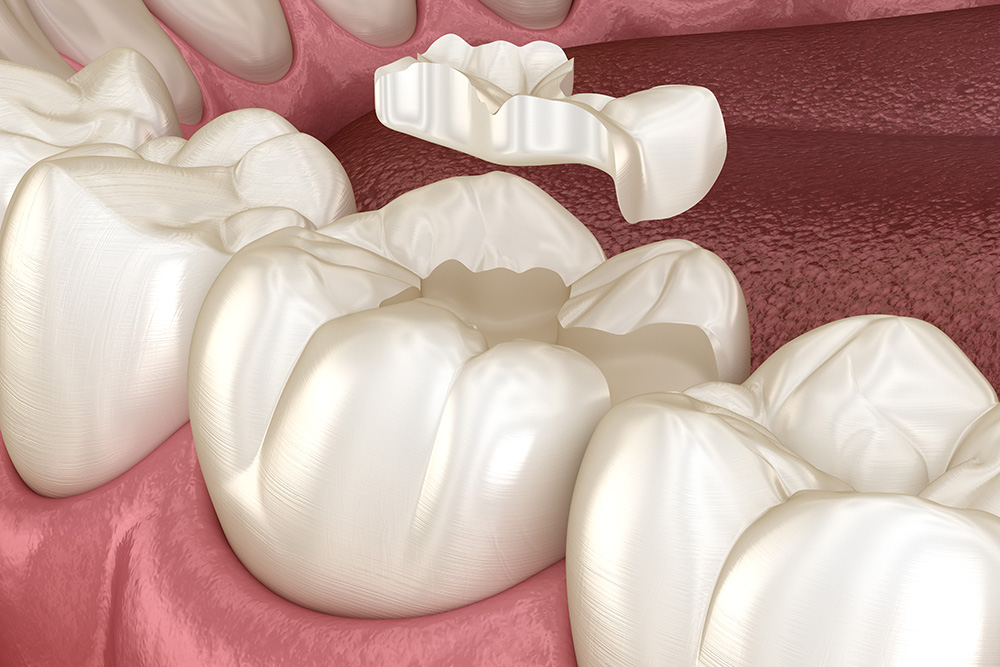
When a tooth becomes damaged, choosing the right restoration is important for both function and long-term oral health. Some cases can be treated with a simple filling, while others may require more advanced dental restorations. When the damage falls somewhere in between, inlays and onlays can be an effective solution.
At Oakwood Dental in Bucyrus, Ohio, we focus on preserving natural tooth structure whenever possible. Dr. Attila Nagy and Dr. Michelle Nagy, along with our team, provide personalized dental care designed to restore strength, protect the affected tooth, and maintain a natural appearance.
Whether your tooth has been broken due to an injury or has suffered significant decay, it might require more restoration than a normal dental filling can offer while not being compromised quite enough to require treatment with a dental crown. In these cases, treatment with an inlay or onlay might be most appropriate.
What Are Inlays and Onlays?
Inlays and onlays are part of a group of dental restoration options used to repair damaged teeth. They are often recommended when a traditional filling is not strong enough, but a full dental crown would remove more of the natural tooth than necessary.
Inlays and onlays are similar to dental fillings in that they are most often used to treat dental cavities. They differ, however, in that they cover, seal, reshape, and restore a much larger portion of a person’s tooth than a normal dental filling does.
These restorations are also known as indirect fillings because they are created outside the mouth in a dental laboratory and then bonded to the tooth. This allows for a precise fit and improved durability.
Dental Inlays
Dental inlays are restorations that restore the interior surface of a person’s tooth, up to the cusps along the outer edges. A dental inlay is often used when the damage is limited to the inner portion of the tooth structure. It fits within the chewing surface and helps rebuild the tooth without covering the entire tooth. This makes it a good option for preserving natural teeth while restoring strength.
Dental Onlays
On the other hand, dental onlays are designed for cases where the damage extends beyond the inner surface, reaching the cusps or edges of a tooth. An onlay covers and restores the entire top portion of a tooth while still maintaining more of the natural structure compared to a full crown. This makes onlays an ideal solution for larger areas of decay or fractures where extra strength is needed without unnecessary removal of healthy tooth material.
Both inlays and onlays can be crafted from various materials, including porcelain, composite resin, or gold, allowing for aesthetic considerations as well as functional benefits. Dental onlays are restorations that restore most or the entire surface of a person’s tooth, including the cusps at the outer edges.
When You Might Need an Inlay or Onlay
Treatment decisions depend on the size of the cavity, the amount of tooth damage, and the overall condition of the affected tooth. Our team carefully evaluates each case to recommend the best option.
Treatment with an inlay or onlay might be recommended for you if you have tooth decay that is too far progressed to be treated with a regular dental filling but not so severe that it necessitates treatment with root canal therapy. An inlay or onlay might also be needed to repair a tooth that has been broken as a result of an injury or another reason.
In many cases, these restorations help protect the remaining tooth structure and prevent further damage.
Benefits Of Inlays and Onlays
Inlays and onlays offer a balance between strength and conservation of the natural tooth. They are commonly used in modern dentistry because they provide reliable results without removing unnecessary tooth material.
- Preserves Natural Tooth Structure: Helps retain more of the natural tooth compared to a full dental crown
- Improves Tooth Strength: Reinforces weakened areas and supports normal chewing function
- Precise Fit: Created in a dental laboratory for a custom fit that matches the tooth surface
- Durable Materials: Made from porcelain or composite resins that are designed for long-term use
- Natural Appearance: Blends with natural teeth for a seamless and aesthetic result
These benefits make inlays and onlays a strong option for restoring teeth affected by moderate decay or damage.
Composite Resin and Porcelain Restorations With Inlays and Onlays
Inlays and onlays are available in two different materials. They are often made of tooth-colored composite resin, which is the same material used for regular dental fillings and dental bonding. Resin looks and feels natural and is also quite long-lasting.
Inlays and onlays can also be manufactured from 100% porcelain in a shade selected to blend seamlessly with the patient’s natural tooth. Porcelain is more durable than composite resin and, with its naturally translucent appearance, porcelain also most closely resembles a natural tooth’s similarly translucent enamel.
What To Expect During the Inlay or Onlay Procedure
The inlay or onlay process is completed in steps to ensure a precise fit and long-lasting results.
- First Visit: The dentist removes decay and prepares the affected tooth
- Digital Impression: An impression of your tooth is taken to design the restoration
- Temporary Filling: A temporary filling may be placed to protect the tooth
- Dental Laboratory Fabrication: The restoration is created as a solid piece for accuracy
- Second Visit: The final inlay or onlay is bonded securely to the tooth
This dental procedure allows for a customized restoration that fits comfortably and restores function.
How To Care For Your Inlay or Onlay
Caring for your restoration is important for maintaining your oral health and extending the life of the treated tooth.
- Brush Daily: Helps keep the tooth surface clean and free of plaque
- Floss Regularly: Protects the gums and prevents decay around the restoration
- Avoid Hard Objects: Reduces the risk of damaging the restoration
- Attend Regular Visits: Allows your dental professional to monitor your dental health
- Maintain Oral Hygiene: Supports long-term success and helps protect natural teeth
With proper care, inlays and onlays can remain strong and functional for many years.
Frequently Asked Questions
Comprehensive Restorative Dentistry in Bucyrus
If you have a tooth with significant decay or damage and think that treatment with an inlay or onlay might be right for you, we encourage you to contact Oakwood Dental today by calling 419-562-4378. During a consultation with one of our dentists, we can examine your teeth, talk with you about your treatment goals, and recommend a personalized treatment plan designed to help you create the smile of your dreams.